Tile Flooring Installation

Essential Buying Steps
  • Request Samples: Never buy without seeing samples in your home’s lighting.
  • Order Extra (Waste Factor): Purchase 10-15% more material than measured to account for breakage and cuts.
  • Check Dye Lots/Batch Numbers: Ensure all boxes are from the same batch to avoid color variations.
  • Set a Budget: Allocate 40-60% of your budget for materials and the rest for labor/supplies.
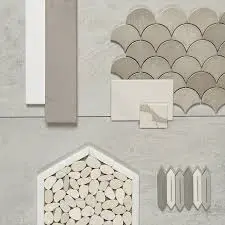
Neutral-toned interior design samples with textured patterns and shapes.
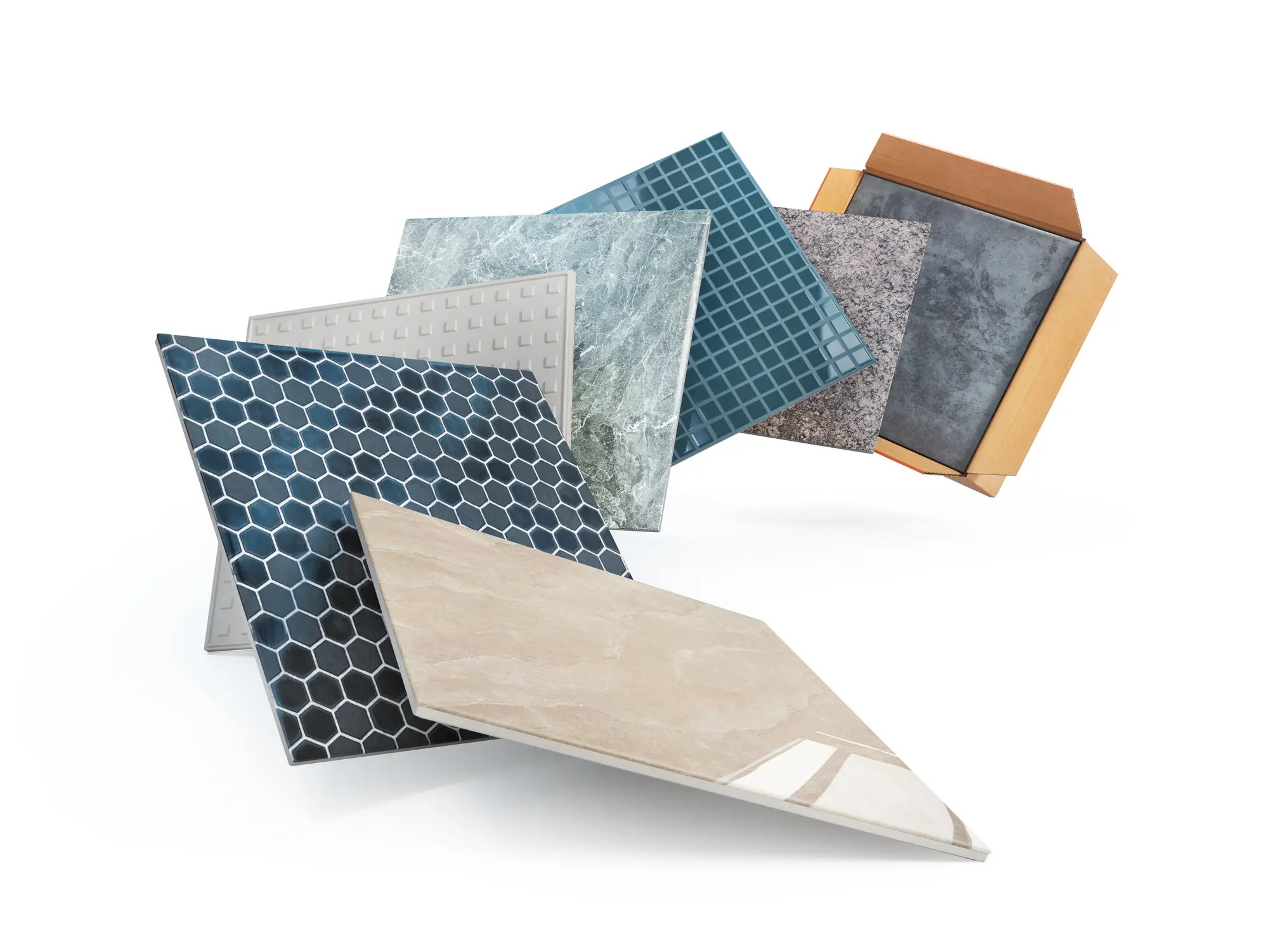
Set of decorative ceramic tiles with various geometric patterns and textures.

Tile Type & Durability

  • Porcelain: Extremely durable, low water absorption, ideal for high-traffic floors, kitchens, and bathrooms.
  • Ceramic: Good for walls and moderate-traffic floors; softer and easier to cut than porcelain.
  • Natural Stone (Marble, Granite, Limestone): Offers unique beauty but requires more maintenance, such as sealing.
  • Metal: Ideal for backsplashes and accent walls, easy to clean, often non-porous.

Factors to Consider

  • Traffic & Wear: Use harder materials (porcelain/granite) for high-traffic areas and softer, more decorative stones for low-traffic areas.
  • Slip Resistance: Use textured or matte tiles in bathrooms, showers, and kitchens to prevent slipping.
  • Size & Scale: Large tiles can make small rooms feel bigger, while mosaics add detail.
  • Color & Finish: Light colors make rooms look larger, while dark colors add warmth. Polished finishes are shiny, while matte/honed finishes offer a rustic look.
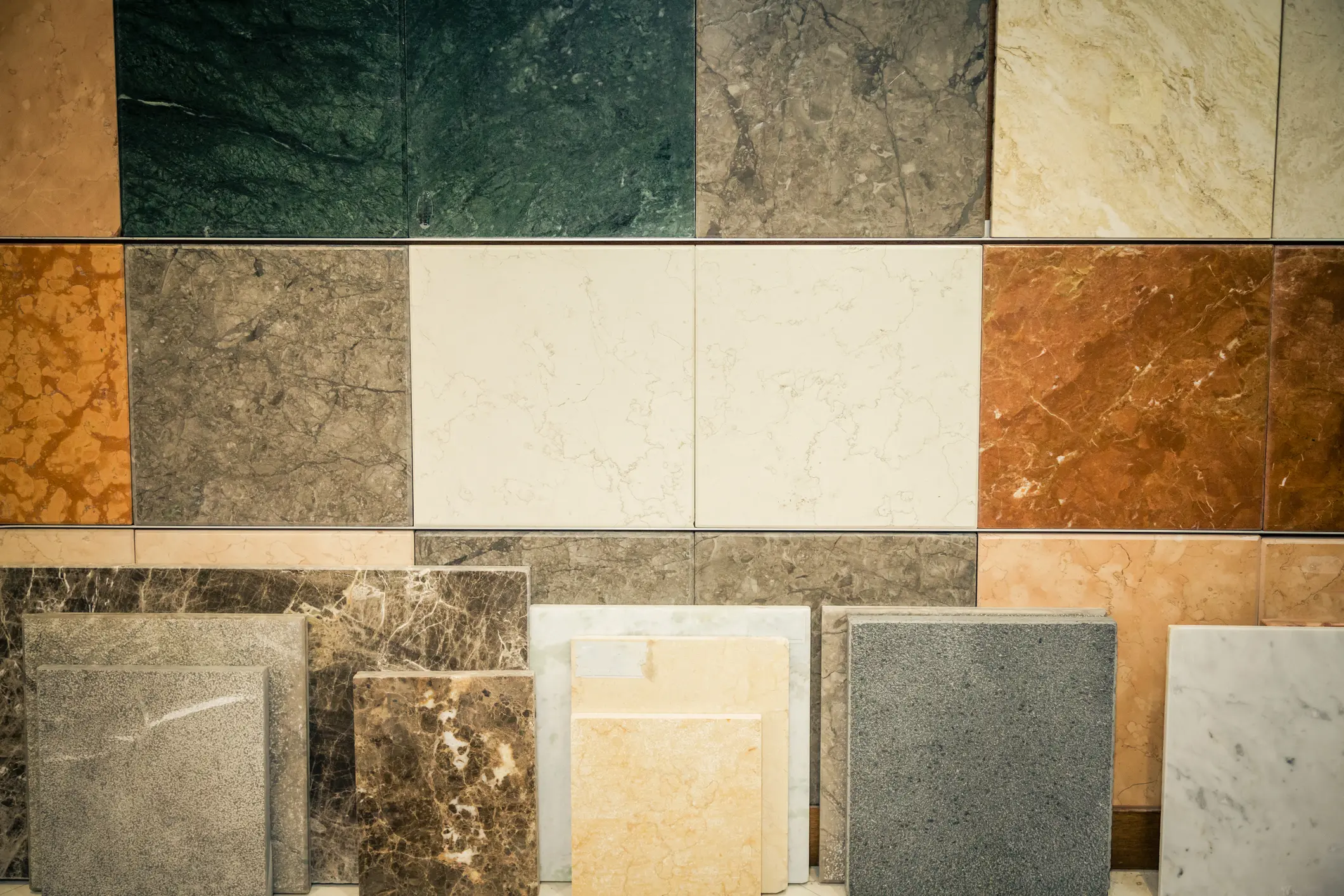
A variety of marble and stone tiles arranged in a grid.

Natural Stone Specifics

Natural stone has inherent "imperfections" like color veining and pitting, which are part of its character. Unlike manufactured tile, no two stones are identical, and they will vary in thickness.