
Hardwood Flooring Solutions
Hardness
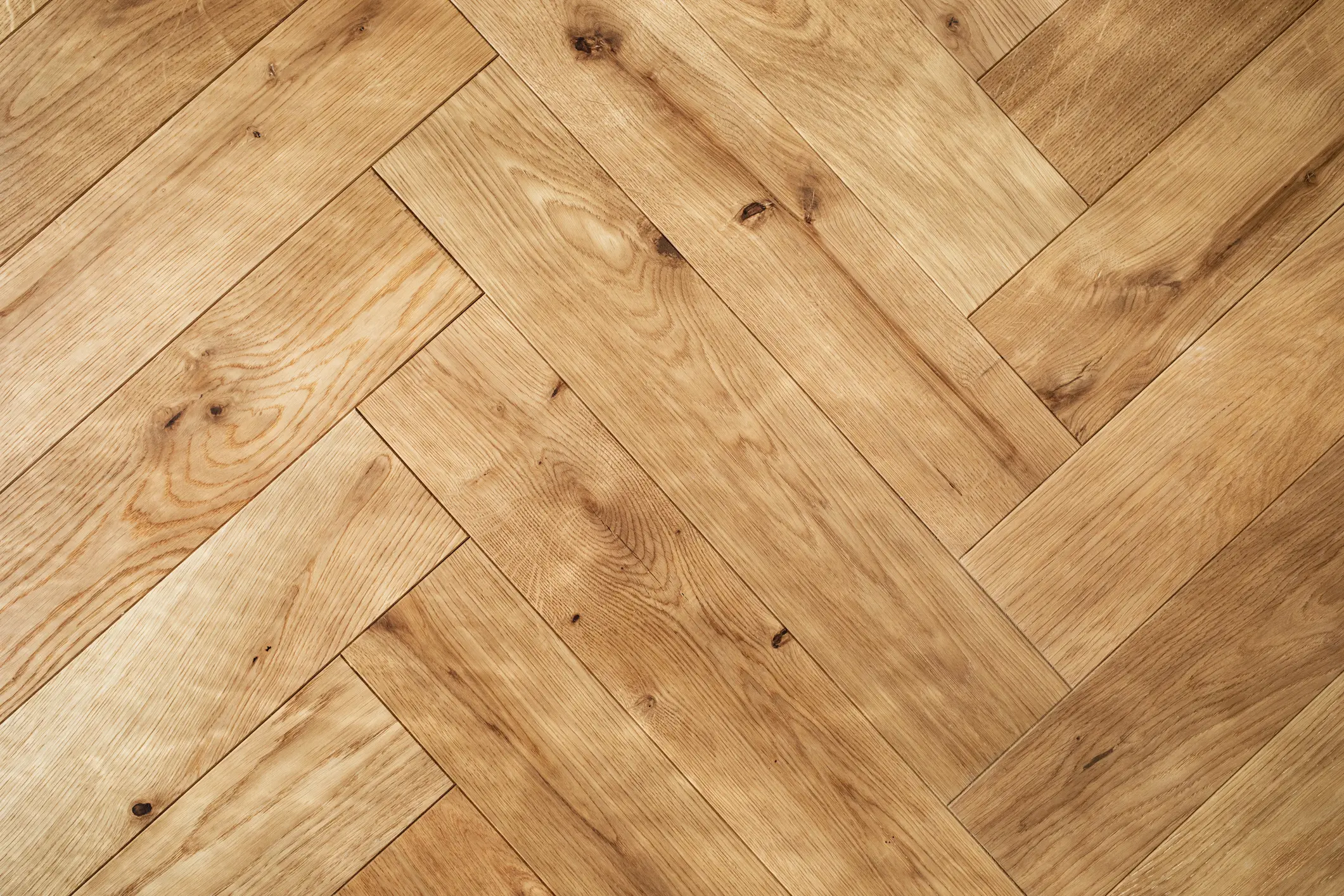
Each species of hardwood has a different level of hardness. Some common domestic species like walnut, cherry, and birch are less hard in comparison to other common domestic species like maple, hickory, and oak.
The hardness of solid wood is measured according to a system called the Janka Scale. The Janka Scale gives a good indication of how well a wood species can be expected to withstand dents and dings. The scale is determined by the amount of pound-force required to push a .444-inch diameter steel ball halfway into the wood.
Ratings for both domestic and imported species are included in the scale; however, none of these values apply to engineered wood flooring. While Janka values give a general sense of how hard solid wood is, other factors also contribute to the durability of wood as well. This can include things like how the wood is cut and the finish that is applied to the wood.
Environmental Benefits
Sustainable for future generations.
Wood floors are the most environmentally friendly flooring option available. Unlike other flooring materials, the raw materials used to make them—trees—can regrow after they are cut down, which replaces the material that is harvested. In the United States, the hardwood forests that provide flooring products are growing more than twice as fast as they are being harvested. Although it usually takes hardwood trees about 40 to 60 years to mature (depending on the species), wood flooring can last well beyond 100 years in service when properly maintained. Wood also stores carbon during its service life. This means any manufactured wood product—furniture, cabinets, wood floors, or even picture frames—continues to store carbon as a manufactured end-product. That’s why wood flooring is classified by the U.S. Department of Agriculture (USDA) as a carbon neutral product.
Health Benefits
A healthy choice.
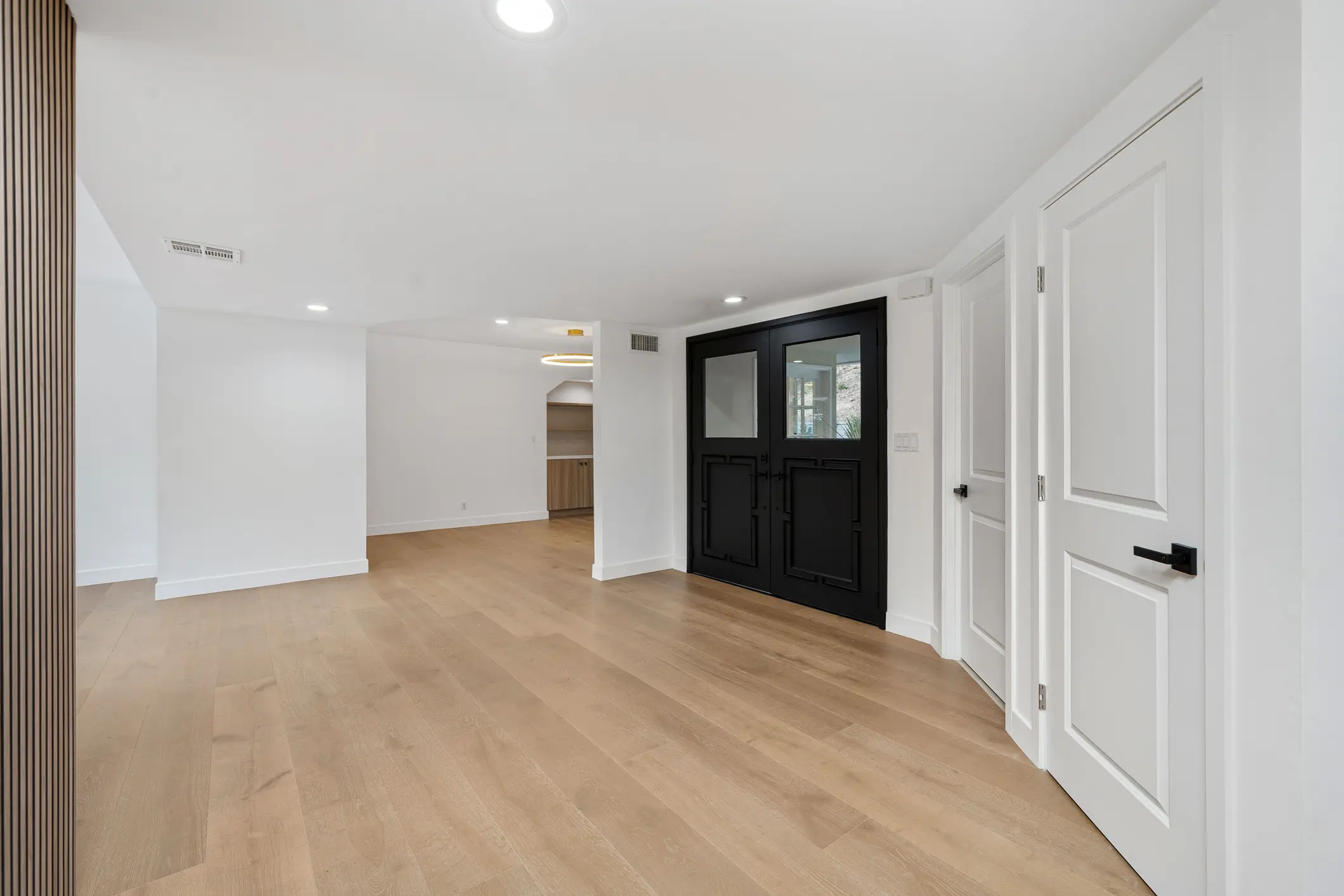
You probably think a lot about whether the food you eat is safe. But how safe is the flooring surface in your home? When it comes to flooring, the U.S. Environmental Protection Agency (EPA) finds that hardwood floors improve indoor air quality. They don’t harbor microorganisms, allergens, or pesticides that can be tracked in from outdoors. Hardwood floors also minimize the accumulation of dust, mold, and animal dander, which makes wood floors a healthy option for your little one’s first steps and beyond.
Types of Real Wood Flooring
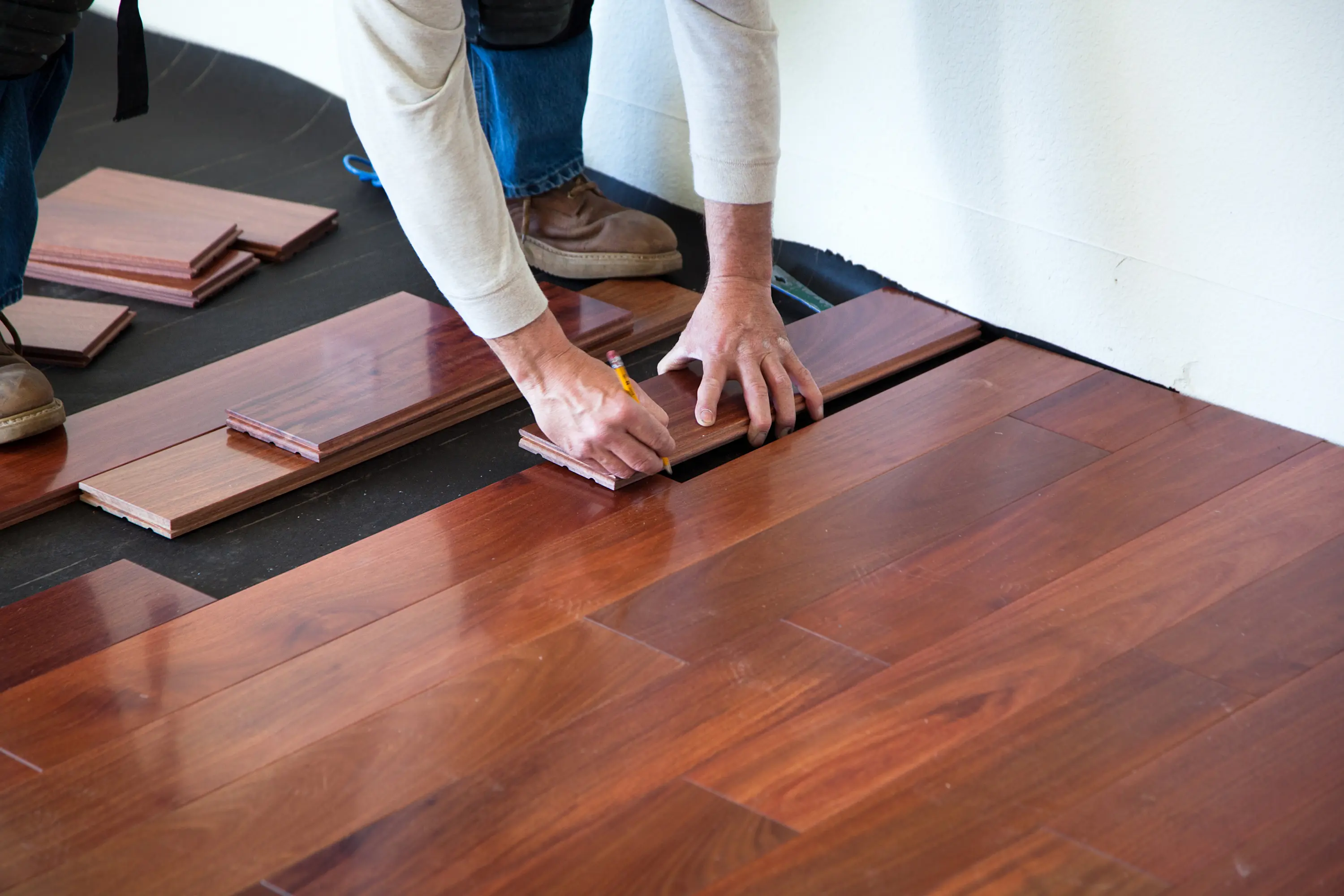
Solid wood flooring is made of one piece of wood from top to bottom and can be used in any room that is on or above ground. One of the many benefits of solid wood flooring is it can be sanded and refinished many times.
Engineered wood floors are also made of real wood but include multiple layers, with the top layer made of high-quality wood. Because engineered wood floors expand and contract less than solid wood flooring, they are ideal for basement installations. While this type of flooring can be sanded and refinished, it cannot be done as many times as solid wood flooring.
Composite engineered wood flooring contains real wood on the wearable surface only. The backing and core material may be made up of any type of composite material.
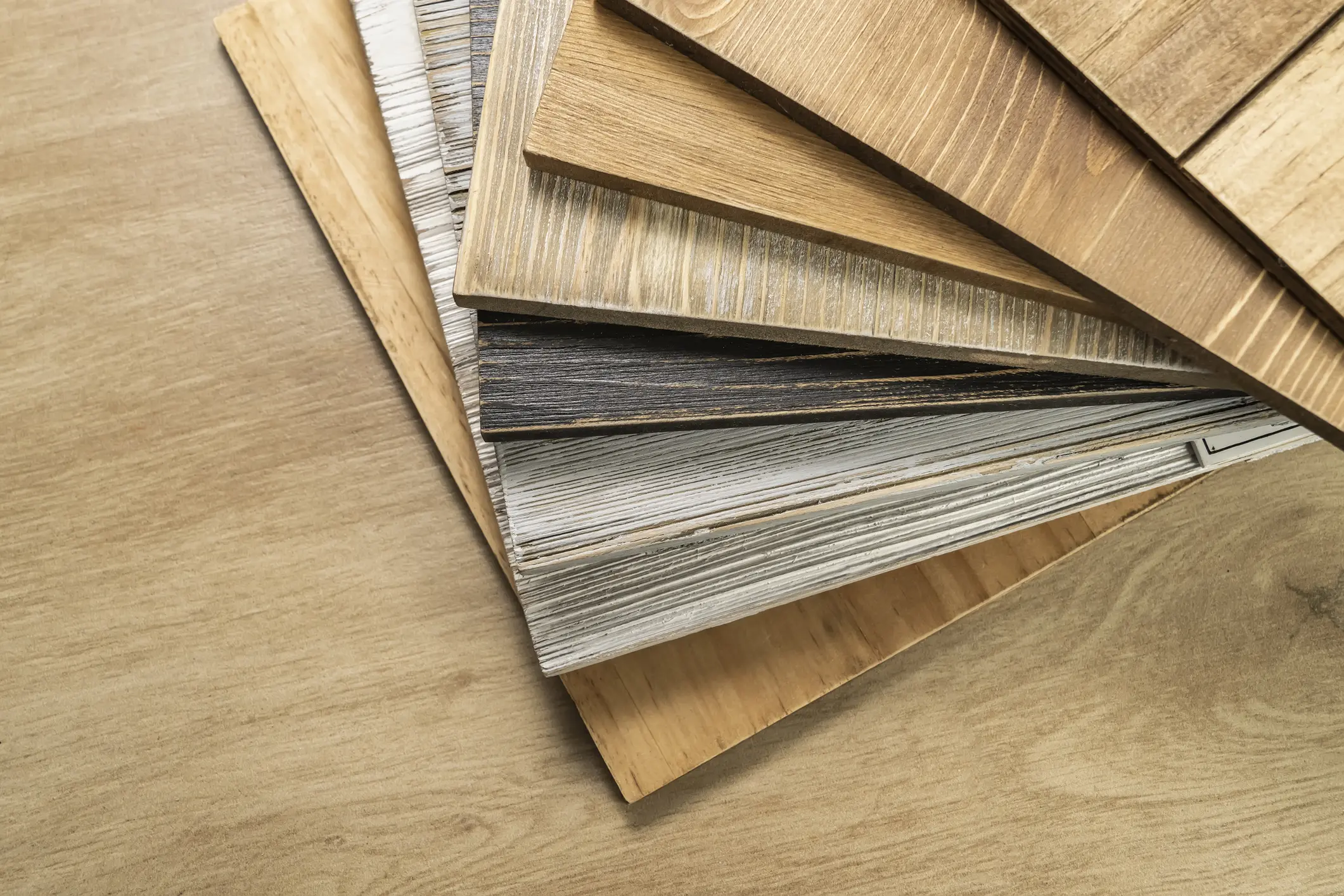
Options
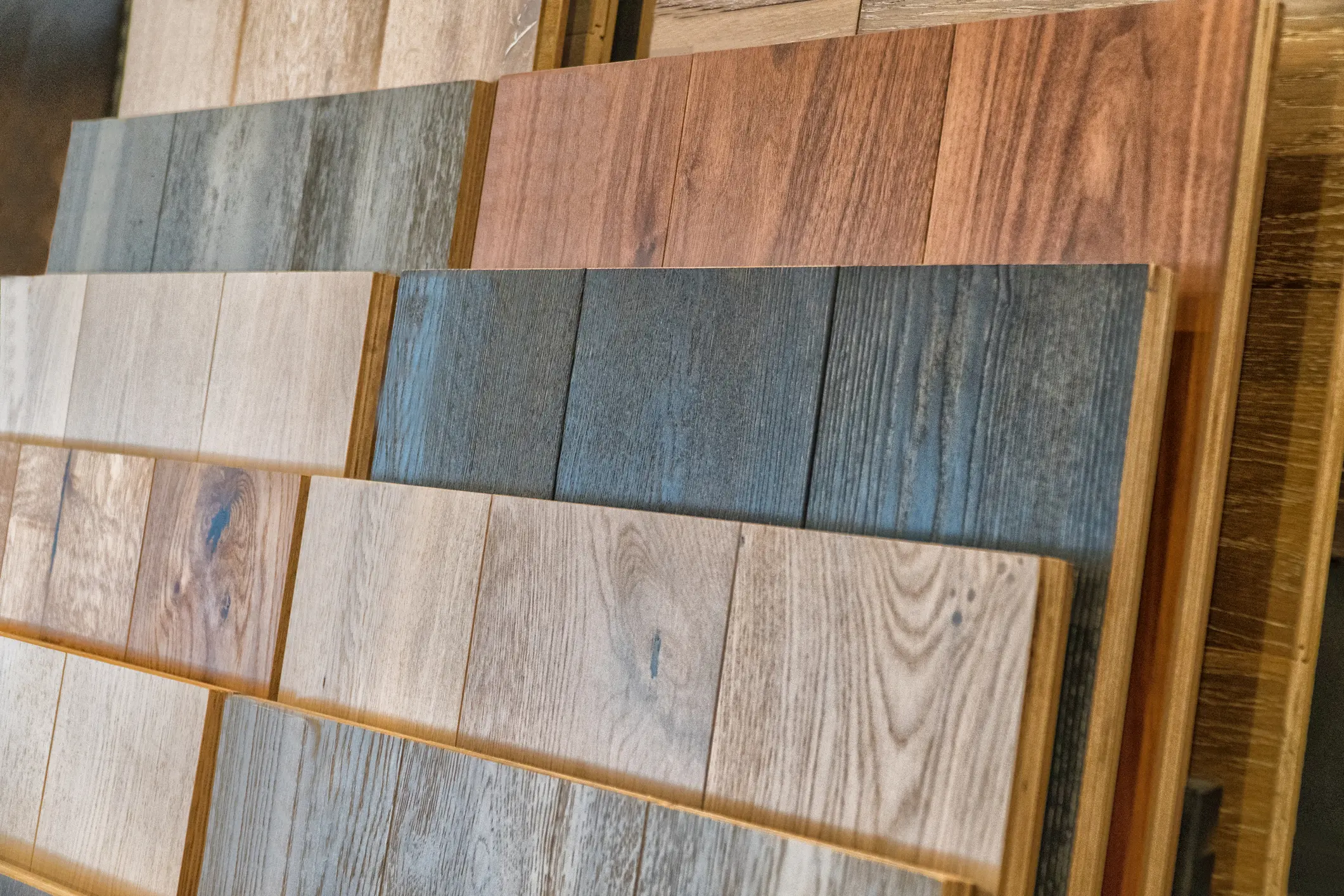
Wood floors are manufactured in almost any width. Some of the most popular styles are strip, plank, and parquet. Each style is available in a variety of species, colors, and widths, so choosing the right one is a matter of preference. Strip flooring is less than 3” wide and often makes a room appear larger. Plank flooring is equal to or greater than 3” wide and often creates a more casual look. Parquet flooring varies in size and generates a geometric, non-linear look.